
Why More Young Adults Are Developing Kidney Stones in 2026

Authored by:
Dr Gaurav Aggarwal (Uro-oncologist and Robotic Surgeon)
There was a time when developing kidney stones was considered an issue linked to ageing. It was something people associated with poor lifestyle habits built over decades. But in 2026, doctors are seeing a very different picture. More people in their 20s and 30s are ending up in clinics and emergency rooms with severe pain caused by stones.
And the shift is not random.
Modern lifestyles, processed diets, stress, dehydration, and even climate changes are quietly increasing the risk among younger adults. What was once considered an “older person’s condition” is now becoming alarmingly common among students, office workers, gym enthusiasts, and young professionals.
The Rise Among Young Adults
Over the past two decades, cases among adults under 40 have increased steadily. Researchers are especially noticing a sharp rise among women aged 18 to 30, a group that was previously considered low-risk.
Doctors believe this increase is tied directly to lifestyle changes, including:
- Heavy dependence on processed food
- Long work hours with poor hydration
- Sedentary routines and remote work
- Rising obesity rates
- Trend-based diets
- Excessive caffeine and energy drink consumption
The body is simply reacting to the way modern life is being lived.
Ultra-Processed Food Is Becoming a Major Trigger
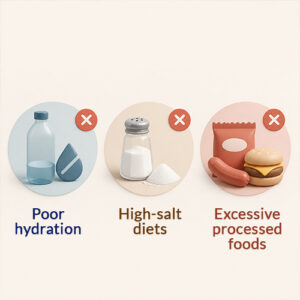
One of the biggest contributors is sodium-heavy processed food.
Fast food, instant noodles, frozen meals, packaged snacks, and ready-to-eat items contain extremely high amounts of salt. Most young adults consume far more sodium than the body actually needs, often without realising it.
High sodium intake can:
- Increase calcium levels in urine
- Raise crystal formation risk
- Worsen dehydration
- Put extra stress on kidney function
This is one of the biggest reasons doctors are seeing more cases of kidney stones in younger age groups today.
Chronic Dehydration Has Become Normalised
Many young adults go through entire days without drinking enough water.
Busy schedules, long commutes, binge studying, gaming, excessive coffee, and energy drinks all contribute to mild but constant dehydration. The problem is that even mild dehydration over long periods can increase the chance of mineral crystallisation inside the body.
Common dehydration-related habits include:
- Replacing water with caffeine
- Drinking less water during work hours
- Ignoring thirst signals
- Excess alcohol consumption
- Spending long hours in air-conditioned environments
When urine becomes concentrated, salts and minerals stick together more easily, increasing the possibility of stone formation.
Sedentary Lifestyles Are Quietly Increasing the Risk
Remote work and screen-heavy lifestyles have dramatically reduced daily movement.
Many young adults now spend
- 8 to 12 hours sitting
- Minimal time outdoors
- Very little physical activity during the week
Lack of movement affects metabolism and how the body handles calcium. Over time, reduced physical activity may weaken bone density, causing more calcium to circulate through the bloodstream and urinary system.
Sedentary lifestyles are also closely linked to obesity and metabolic disorders, both major risk factors.
Obesity and Metabolic Syndrome Are Rising Earlier
Doctors are now diagnosing metabolic syndrome in patients as young as their mid-twenties.
This condition includes:
- High blood pressure
- High blood sugar
- Excess abdominal fat
- Insulin resistance
Obesity affects how the body processes calcium, uric acid, and oxalate. Excess body weight also increases inflammation throughout the body, including the kidneys.
Young adults with obesity are more likely to develop uric acid stones and other complications associated with kidney stones.
Some “Healthy” Diet Trends Are Backfiring
Ironically, several modern wellness trends may unintentionally increase risk.
High-protein diets
Popular diets like keto and carnivore often involve excessive animal protein intake. This can:
- Raise uric acid levels
- Lower citrate levels
- Increase urine acidity
Oxalate-rich superfoods
Foods like spinach, nuts, beets, and dark chocolate contain high oxalate levels. In excess, oxalate can bind with calcium and form crystals.
Vitamin C mega-dosing
Too much vitamin C may convert into oxalate in the body, increasing urinary oxalate levels.
Improper calcium supplement use
Taking calcium supplements without meals can increase urinary calcium rather than helping the body safely process oxalates.
Balance matters more than extremes.
Climate Change Is Also Playing a Role
Warmer temperatures across many parts of the world are increasing dehydration rates.
People living in hot and humid climates lose more water through sweat, especially outdoor workers such as the following:
- Delivery workers
- Construction labourers
- Athletes
- Agricultural workers
Even indoor workers are affected because air-conditioned spaces can quietly dry the body over time.
Research increasingly links hotter climates to higher rates of kidney stones, especially in tropical and subtropical regions.
The Gut Microbiome Connection
Researchers are also studying the role of gut bacteria in stone formation.
A beneficial bacterium called Oxalobacter formigenes helps break down dietary oxalate in the digestive system. However, repeated antibiotic use may reduce these protective bacteria.
Without enough of this bacterium:
- More oxalate enters the bloodstream
- The kidneys must filter higher oxalate levels
- Crystal formation risk increases
Poor fibre intake and heavily processed diets can further damage gut health.

Symptoms Young Adults Often Ignore
One of the biggest problems is that early symptoms are frequently dismissed.
Many people mistake the warning signs for muscle strain, stress, or a temporary infection.
Common symptoms include:
- Dull pain in the lower back or side
- Frequent urge to urinate
- Burning sensation while urinating
- Cloudy or dark urine
- Nausea with back discomfort
- Sudden sharp pain that comes in waves
Ignoring symptoms can allow the condition to worsen over time.
How Young Adults Can Lower Their Risk
The good news is that prevention is very possible with consistent habits.
Simple lifestyle changes can make a major difference:
- Drink 2.5 to 3 litres of water daily
- Reduce processed and sodium-heavy foods
- Stay physically active
- Balance animal protein with plant-based meals
- Eat calcium-rich foods with meals
- Avoid excessive supplement use
- Limit sugary and caffeinated drinks
- Get regular health checkups if there is family history
Small daily habits are often more effective than extreme lifestyle changes.
Final Thoughts
The rise of kidney stones among young adults reflects how modern lifestyles are changing the body in ways many people do not immediately notice. Long sitting hours, processed food, dehydration, stress, and trend-based diets are quietly creating the perfect conditions for stone formation.
The encouraging part is that awareness and prevention can significantly reduce the risk. Staying hydrated, eating balanced meals, and maintaining regular movement may seem simple, but these habits protect long-term kidney health more than most people realise.
FAQ
-
Can protein shakes increase stone risk?
Excessive protein intake may increase uric acid and lower citrate levels, which can raise stone formation risk over time.
-
Are stones hereditary?
Yes. If close family members have had them, your chances of developing them are higher.
-
Can small stones pass naturally?
Yes. Very small stones may pass through urine without causing severe symptoms.
-
How long does passing a stone take?
Small stones may pass within a few days to four weeks with proper hydration and care.
-
Are women now getting stones more frequently?
Yes. Cases among women in their 20s and 30s have increased significantly in recent years.
