
What are the common causes of urine-related problems?
Authored by:
Dr Gaurav Aggarwal (Uro-oncologist and Robotic Surgeon)
Urinary health plays a vital role in overall well-being, yet many people tend to ignore symptoms until they start affecting daily life. Changes in urination patterns, discomfort while passing urine, frequent bathroom visits, or difficulty emptying the bladder can indicate an underlying condition that requires medical attention.
Many factors can contribute to urine-related problems, ranging from temporary infections to chronic medical conditions. Understanding the root cause can help individuals seek timely treatment and prevent complications. In Uro-Oncology and Robotics, we believe that awareness and early diagnosis are key to maintaining long-term urinary health.
Understanding Urinary Health
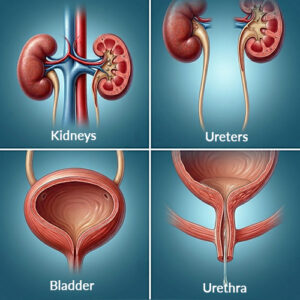
The urinary system consists of the kidneys, ureters, bladder, and urethra. Together, these organs work to remove waste products and excess fluids from the body. When any part of this system is affected by infection, inflammation, obstruction, or disease, urinary symptoms can develop.
Common signs that may indicate an underlying issue include:
- Frequent urination
- Sudden urge to urinate
- Pain or burning during urination
- Blood in the urine
- Difficulty starting urination
- Weak urine stream
- Leakage of urine
- Feeling that the bladder is not completely empty
Recognising these symptoms early can help identify the cause and improve treatment outcomes.
Common Causes of Urine-Related Problems
1. Urinary Tract Infections (UTIs)
Urinary tract infections are among the most common causes of urinary symptoms. They occur when bacteria enter the urinary system and multiply.
Common symptoms include:
- Burning sensation while urinating
- Frequent urge to urinate
- Cloudy or foul-smelling urine
- Lower abdominal discomfort
- Fever in severe cases
Women are generally more susceptible to UTIs due to their shorter urethra. However, men, older adults, and individuals with weakened immune systems can also develop infections.
Prompt treatment with antibiotics usually resolves the infection and prevents complications.
2. Overactive Bladder (OAB)
Overactive bladder occurs when bladder muscles contract involuntarily, even when the bladder is not full.
People with OAB often experience:
- Sudden urgency to urinate
- Frequent urination throughout the day
- Waking multiple times at night to urinate
- Urge incontinence
Lifestyle modifications, bladder training exercises, and medications can effectively manage symptoms.
3. Kidney Stones
Kidney stones are hard mineral deposits that form inside the kidneys. They can vary in size and may travel through the urinary tract.
Common symptoms include:
- Severe pain in the back or side
- Blood in urine
- Nausea and vomiting
- Pain during urination
- Frequent urination
Smaller stones may pass naturally, while larger stones often require specialised treatment.
4. Diabetes
Diabetes can affect urinary health in multiple ways. Elevated blood sugar levels force the kidneys to work harder, increasing urine production.
Potential urinary complications include:
- Frequent urination
- Increased risk of urinary infections
- Bladder dysfunction
- Kidney damage over time
Effective diabetes management is essential for protecting long-term urinary function.
5. Urinary Incontinence
Urinary incontinence refers to the involuntary leakage of urine. It can affect both men and women, although it is more common among older adults and women after childbirth.
Types of incontinence include:
- Stress incontinence
- Urge incontinence
- Overflow incontinence
- Functional incontinence
Treatment depends on the underlying cause and may involve pelvic floor therapy, medication, or advanced procedures.
6. Prostatitis
Prostatitis is inflammation or infection of the prostate gland.
Symptoms often include:
- Pelvic pain
- Painful urination
- Difficulty urinating
- Pain during ejaculation
- Fever in acute infections
Early diagnosis helps reduce discomfort and prevent recurring issues.
7. Bladder Inflammation (Cystitis)
‘Cystitis’ refers to inflammation of the bladder, commonly caused by bacterial infection.
Symptoms may include:
- Frequent urination
- Burning sensation during urination
- Pelvic discomfort
- Blood-tinged urine
Recurrent cystitis requires thorough evaluation to identify underlying causes.
8. Urinary Tract Obstruction
Any blockage within the urinary tract can interfere with urine flow.
Possible causes include:
- Enlarged prostate
- Kidney stones
- Tumors
- Urethral strictures
Symptoms often include weak urine flow, difficulty urinating, and bladder discomfort.
Lifestyle Factors That Can Affect Urinary Health
Several everyday habits can contribute to urinary symptoms and worsen existing conditions.
Inadequate Hydration
Not drinking enough water can:
- Concentrate urine
- Increase bladder irritation
- Raise the risk of infections and stones
Excessive Caffeine Consumption
Caffeine acts as a bladder stimulant and may cause the following:
- Increased urgency
- Frequent urination
- Bladder irritation
Alcohol Intake
Alcohol can:
- Increase urine production
- Dehydrate the body
- Aggravate bladder symptoms
Holding Urine Too Long
Frequently delaying urination can:
- Increase bladder pressure
- Raise infection risk
- Affect bladder function over time
Obesity
Excess body weight places additional pressure on the bladder and pelvic floor muscles, increasing the likelihood of urinary leakage.
Age-Related Changes in the Urinary System
As people age, natural changes can affect urinary function.
These changes may include:
- Reduced bladder elasticity
- Weakening pelvic floor muscles
- Hormonal fluctuations
- Increased risk of prostate enlargement in men
Although these changes are common, persistent symptoms should never be considered a normal part of ageing.

When Should You See a Urologist?
Many urinary symptoms may appear minor initially but can indicate underlying conditions that require treatment.
Consult a specialist if you experience:
- Persistent pain during urination
- Frequent urinary infections
- Blood in urine
- Difficulty emptying the bladder
- Sudden urinary leakage
- Persistent pelvic pain
- Severe urgency or frequency
- Changes in urinary patterns lasting several weeks
Early evaluation can prevent complications and improve treatment outcomes.
Advanced Care at Uro-Oncology and Robotics
In Uro-Oncology and Robotics, patients receive comprehensive evaluation and treatment for a wide range of urological conditions. Our team combines advanced diagnostic technology with evidence-based treatment approaches to identify the root cause of symptoms and provide personalised care.
From urinary infections and prostate disorders to complex urological conditions requiring minimally invasive or robotic-assisted procedures, our goal is to help patients regain comfort, confidence, and quality of life.
Conclusion
Experiencing urine-related problems can be uncomfortable, disruptive, and sometimes concerning. While infections, kidney stones, prostate enlargement, diabetes, and bladder disorders are among the most common causes, lifestyle habits and age-related changes can also contribute to symptoms.
The good news is that most urine-related problems can be effectively managed when diagnosed early. Ignoring symptoms may lead to complications, making timely medical evaluation essential. If you notice persistent urinary changes, seeking expert care can help identify the cause and ensure appropriate treatment.
In Uro-Oncology and Robotics, we are committed to delivering advanced, patient-focused urological care to help individuals achieve better urinary health and improved quality of life. If you are experiencing urine-related problems, our specialists are here to guide you every step of the way.
FAQ
-
What are the most common urinary issues people experience?
Frequent urination, burning during urination, urgency, leakage, and difficulty passing urine are among the most common concerns.
-
Can dehydration affect urinary health?
Yes. Inadequate water intake can increase the risk of infections, kidney stones, and bladder irritation.
-
Is blood in urine always serious?
Not always, but it should never be ignored and requires evaluation by a urologist.
-
Can urinary symptoms be linked to diabetes?
Yes. High blood sugar levels can increase urination frequency and raise the risk of urinary infections.
-
When should I consult a urology specialist?
Seek medical advice if symptoms persist, worsen, or interfere with daily activities and quality of life.
