
- Frequent or Urgent Need to Urinate
One of the most common early signs of prostate cancer is a sudden or frequent urge to urinate, especially at night (a condition known as nocturia). When the prostate gland enlarges due to cancer growth, it puts pressure on the urethra and bladder, disrupting normal urinary function.
- Feeling the need to urinate more than 8 times a day
- Waking up multiple times during the night to urinate
- Sudden, uncontrollable urges to urinate
- Difficulty Starting or Stopping Urination
Struggling to begin urinating or having a urine stream that stops and starts intermittently can signal that the prostate is pressing on the urethra. This is one of the early signs of prostate cancer that men often brush off as a normal part of ageing.
- A weak or slow urinary stream
- Straining or pushing to start urination
- Feeling like the bladder is not fully empty after urinating
- Blood in Urine or Semen (Hematuria / Hematospermia)
Finding blood in your urine (hematuria) or semen (hematospermia) is a red flag that should never be ignored. While it can sometimes result from less serious conditions, it is also one of the notable early signs of prostate cancer and warrants immediate medical attention.
- Pink, red, or brownish-coloured urine
- Blood visible in semen during ejaculation
- Do not wait consult a doctor immediately if you notice this symptom
- Painful or Burning Sensation During Urination or Ejaculation
Discomfort, pain, or a burning sensation during urination or ejaculation can indicate inflammation or irritation caused by prostate cancer. This symptom is often mistaken for a urinary tract infection (UTI) or sexually transmitted infection (STI), which is why it is frequently overlooked.
- Burning or stinging while urinating
- Pain during or after ejaculation
- Pelvic discomfort that persists over time
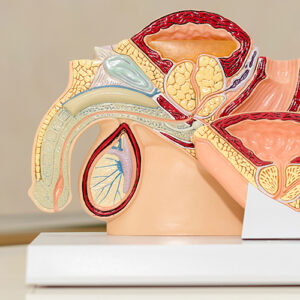
- Erectile Dysfunction (ED)
While erectile dysfunction can have many causes, persistent or sudden onset ED in men over 50 can sometimes be linked to prostate cancer. The cancer may affect the nerves and blood vessels surrounding the prostate gland, leading to difficulties achieving or maintaining an erection.
- Sudden onset of erectile dysfunction without an obvious cause
- Decreased sexual desire or libido
- Difficulty achieving erection despite adequate stimulation
- Pain or Stiffness in the Lower Back, Hips, or Pelvis
When prostate cancer begins to spread beyond the prostate gland a stage called metastatic prostate cancer it often affects the bones, particularly in the lower back, hips, and pelvis. This persistent, deep bone pain is a serious symptom that must not be dismissed as mere back trouble.
- Constant aching in the lower back or hips
- Stiffness in the pelvic region
- Pain that worsens at night or does not improve with rest
- Unexplained Weight Loss and Fatigue
Unintentional weight loss, persistent fatigue, and a general feeling of weakness can be signs of advanced prostate cancer. Cancer cells consume enormous amounts of the body’s energy resources, leading to a noticeable decline in overall health and vitality.
- Losing weight without dieting or changes in appetite
- Persistent tiredness that does not improve with rest
- General feeling of being unwell or a loss of strength
Your health is your most valuable asset. The early signs of prostate cancer are your body’s way of telling you something may be wrong. Whether it’s a change in urinary habits, blood in your urine, or unexplained pelvic pain take it seriously.
Do not wait for symptoms to worsen. Speak to your doctor, get screened regularly, and take proactive steps towards a healthier life. Early detection saves lives.
If you or someone you love is experiencing any of these warning signs, book a consultation with a healthcare professional today. Staying informed and proactive is the best defence against prostate cancer.