
What Are the Most Common Urological Problems in Adults?
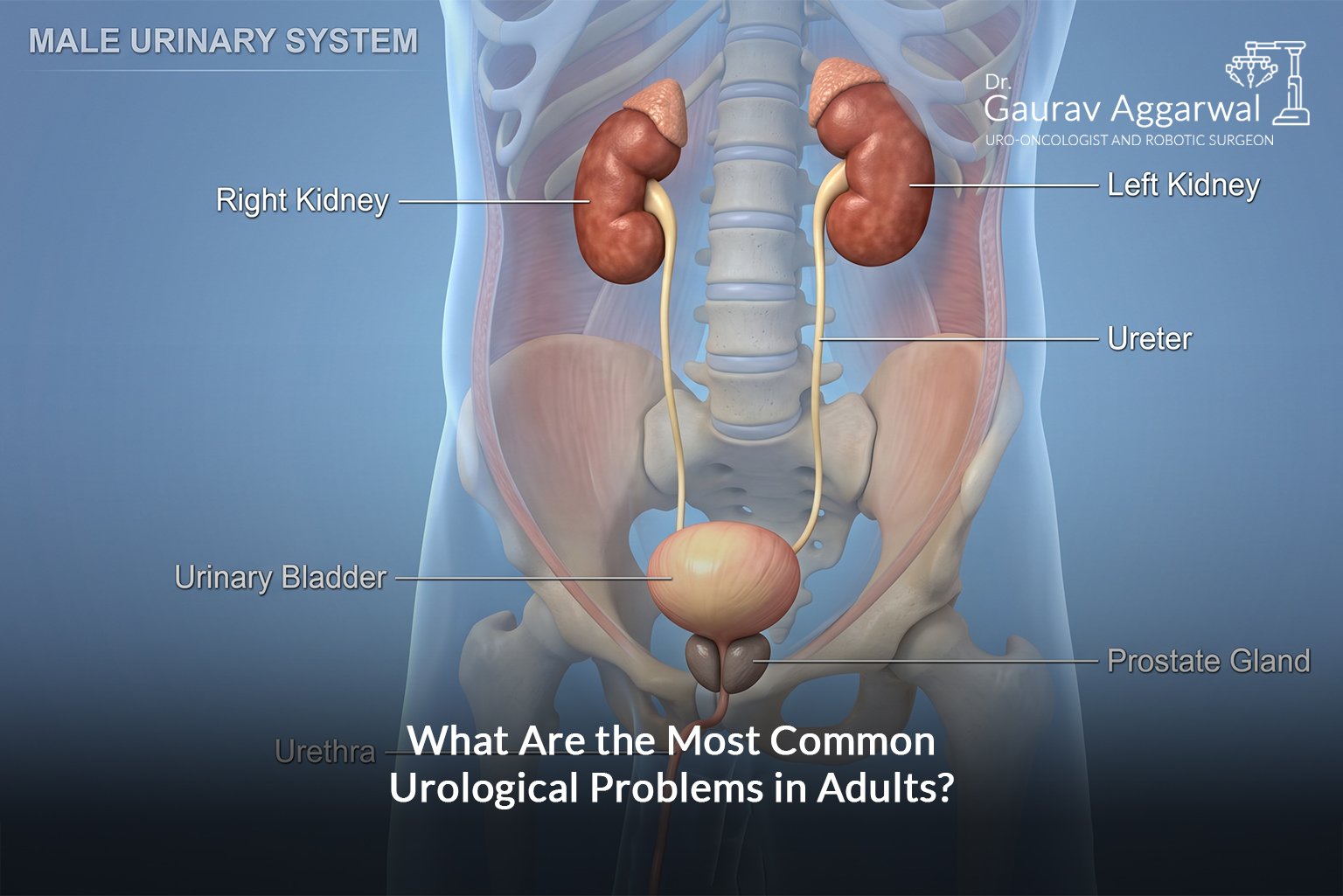
Authored by:
Dr Gaurav Aggarwal (Uro-oncologist and Robotic Surgeon)
Have you ever ignored a burning sensation while urinating, thinking it would disappear on its own? Or found yourself making frequent trips to the bathroom and assumed it was simply because you were drinking more water?
These situations are more common than most people realise. Yet, many adults hesitate to talk about urinary or reproductive health because they feel embarrassed or believe the symptoms are just a normal part of ageing.
The truth is quite different. Many urological conditions are highly treatable when diagnosed early. Recognising the warning signs and seeking timely medical advice can prevent complications, reduce discomfort, and improve your quality of life.
In this blog, we’ll explore the most common urological problems in adults, their symptoms, available treatment options, and when it’s time to consult a urologist in Kolkata.
Why Do Urological Problems Often Go Unnoticed?
Urinary health doesn’t always receive the attention it deserves. Unlike a fever or visible injury, urinary symptoms are often ignored or dismissed until they begin affecting daily life.
Some of the most common reasons include:
- Feeling embarrassed discussing urinary or reproductive health.
- Assuming frequent urination is simply a sign of getting older.
- Self-medicating instead of seeking medical advice.
- Believing the discomfort will disappear on its own.
- Not knowing what conditions a urologist actually treats.
Unfortunately, delaying treatment can turn a minor health concern into a more complicated medical condition. Early diagnosis often means simpler treatment, faster recovery, and better long-term outcomes.

The Most Common Urological Problems in Adults
Urological disorders can affect both men and women. While age is one contributing factor, lifestyle, genetics, existing medical conditions, and hydration also play an important role.
Let’s look at some of the most commonly diagnosed conditions.
1. Urinary Tract Infections (UTIs)
A urinary tract infection occurs when bacteria enter the urinary system, causing inflammation and infection.
Common symptoms
- Burning while urinating
- Frequent urge to urinate
- Cloudy or foul-smelling urine
- Lower abdominal discomfort
- Fever in severe infections
Although women experience UTIs more frequently due to anatomical reasons, men can also develop urinary infections, particularly with increasing age or prostate-related problems.
Most UTIs respond well to medication, but recurring infections require proper evaluation to identify the underlying cause.
2. Kidney Stones
Kidney stones are hard mineral deposits that form inside the kidneys when certain substances in urine become concentrated.
Many people describe kidney stone pain as one of the most intense forms of pain they have ever experienced.
Symptoms include
- Sudden severe pain in the back or side
- Pain spreading towards the lower abdomen
- Blood in urine
- Nausea or vomiting
- Difficulty passing urine
Risk factors include:
- Poor hydration
- High salt intake
- Family history
- Obesity
- Certain metabolic disorders
Smaller stones often pass naturally with medication and adequate hydration, while larger stones may require minimally invasive procedures.
3. Enlarged Prostate (Benign Prostatic Hyperplasia)
As men grow older, the prostate gland naturally increases in size. This condition is called Benign Prostatic Hyperplasia (BPH).
Although it is not cancer, the enlarged gland can press against the urethra and interfere with normal urination.
Common signs
- Frequent urination
- Weak urine stream
- Difficulty starting urination
- Feeling that the bladder hasn’t emptied completely
- Waking up several times during the night to urinate
The severity varies from person to person. Some men experience mild symptoms, while others require medication or minimally invasive treatment.
4. Erectile Dysfunction
Erectile dysfunction is far more common than many people think. It isn’t simply a consequence of ageing.
Often, it signals an underlying medical condition that deserves attention.
Possible causes include:
- Diabetes
- Poor blood circulation
- High blood pressure
- Stress
- Anxiety
- Hormonal imbalance
- Lifestyle habits such as smoking
Seeking medical advice helps identify the underlying cause instead of only treating the symptom.
5. Urinary Incontinence
Urinary incontinence refers to the accidental leakage of urine.
It can affect both men and women and often interferes with confidence, social activities, and daily routines.
Common causes include:
- Weak pelvic floor muscles
- Age-related muscle changes
- Nerve disorders
- Previous surgeries
- Pregnancy and childbirth in women
Fortunately, treatment options today range from lifestyle modifications and pelvic floor exercises to medication and advanced procedures depending on the underlying cause.
6. Overactive Bladder
An overactive bladder causes a sudden, difficult-to-control urge to urinate, even when the bladder isn’t completely full.
Many people also experience interrupted sleep because they wake multiple times during the night.
Typical symptoms include the following:
- Frequent urination
- Sudden urgency
- Night-time urination
- Occasional urine leakage
While the condition may feel frustrating, effective treatment can significantly improve everyday comfort and quality of life.
Why Adults Become More Prone to Urological Problems
Several changes occur naturally as we age, making certain urinary conditions more likely. However, age alone isn’t always responsible.
Some common contributing factors include:
- Poor hydration
- Diabetes
- Obesity
- Smoking
- High blood pressure
- Sedentary lifestyle
- Family history
- Hormonal changes
- Recurrent infections
Making healthier lifestyle choices can reduce the risk of developing several urinary disorders while also improving overall well-being.
Symptoms You Should Never Ignore
Although occasional urinary discomfort may not always indicate a serious illness, persistent symptoms should never be ignored.
Watch out for:
- Burning sensation during urination
- Blood in urine
- Frequent urination
- Difficulty passing urine
- Weak urine stream
- Severe lower back pain
- Urinary leakage
- Persistent pelvic pain
- Unexplained erectile dysfunction
- Sudden changes in urinary habits
If these symptoms continue or repeatedly return, consulting a urologist in Kolkata can help identify the underlying cause before complications develop.
When Should You See a Specialist?
Not every urinary symptom requires emergency care. However, you should seek medical advice if:
- Symptoms continue despite medication.
- Urinary infections keep recurring.
- You notice blood in urine.
- You have severe pain that doesn’t improve.
- You have a family history of kidney, bladder, or prostate disorders.
- Urinary symptoms begin affecting your daily routine.
Early medical consultation often leads to easier treatment, faster recovery, and better long-term health outcomes.
How Urological Conditions Are Diagnosed
Modern urology uses several diagnostic techniques to accurately identify the cause of urinary symptoms.
Depending on your condition, your doctor may recommend:
- Physical examination
- Urine analysis
- Blood tests
- Ultrasound
- CT Scan
- Urodynamic testing
- Cystoscopy
- PSA testing for prostate evaluation
- Biopsy when required
Not every patient requires every investigation. Your doctor recommends tests based on your symptoms and medical history.
Treatment Options
Treatment depends entirely on the diagnosis.
Common treatment approaches include:
- Medication
- Lifestyle modifications
- Increased fluid intake
- Dietary adjustments
- Pelvic floor exercises
- Counselling for erectile dysfunction
- Minimally invasive procedures
- Robotic surgery when appropriate
The goal is always to relieve symptoms, treat the underlying cause, and prevent recurrence.

Tips to Maintain Good Urinary Health
Simple daily habits can make a significant difference.
- Drink adequate water every day.
- Don’t delay urination for long periods.
- Eat a balanced diet.
- Limit excessive salt intake.
- Exercise regularly.
- Maintain a healthy body weight.
- Avoid smoking.
- Control diabetes and blood pressure.
- Attend regular health check-ups after the age of 40.
Prevention is always easier than treating advanced disease.
Choose the Right Specialist for Your Care
When you’re dealing with urinary or reproductive health concerns, choosing the right doctor is just as important as seeking treatment early.
With over 20 years of experience, Dr. Gaurav Aggarwal, a uro-oncologist and robotic surgeon, has treated a wide range of urological conditions, from urinary tract infections and kidney stones to complex prostate, kidney, and bladder disorders.
His approach combines advanced medical technology with compassionate, patient-centred care. Every treatment plan is tailored according to the patient’s condition and individual needs. His expertise in minimally invasive robotic surgery, thorough evaluation, honest guidance, and consistently positive patient outcomes has earned the trust of countless patients.
If you’ve been experiencing persistent urinary or reproductive health concerns, consulting an experienced urologist in Kolkata at the right time can help ensure accurate diagnosis and effective treatment. For expert consultation and advanced urological care, you can book an appointment with Dr. Gaurav Aggarwal.
Conclusion
Many adults silently live with urinary discomfort because they assume it’s temporary or simply part of growing older. However, persistent symptoms are your body’s way of asking for attention.
Whether it’s a urinary tract infection, kidney stones, an enlarged prostate, urinary incontinence, or erectile dysfunction, early diagnosis makes treatment more effective and recovery much smoother.
Ignoring symptoms rarely solves the problem. Instead, timely medical care helps protect your urinary health and improves your overall quality of life. If you notice persistent urinary changes or reproductive health concerns, don’t delay seeking advice from a trusted urologist in Kolkata.
FAQ
-
What are the early signs of a urological problem?
Frequent urination, burning while urinating, blood in urine, or persistent lower abdominal pain are common warning signs.
-
Can kidney stones be treated without surgery?
Yes. Smaller stones often pass with medication and hydration, while larger stones may require minimally invasive treatment.
-
Is waking up several times at night to urinate normal?
Occasionally yes, but frequent night-time urination should be evaluated by a healthcare professional.
-
Can lifestyle changes improve urinary health?
Absolutely. Good hydration, regular exercise, a balanced diet, and avoiding smoking help reduce the risk of many urological conditions.
Not always. Screening recommendations depend on individual risk factors, age, kidney health, and medical history.
-
When should I consult a urologist?
If urinary symptoms persist, recur frequently, or interfere with daily life, it's advisable to seek specialist consultation promptly.
